When you scroll through chats, comments, or reels, you spot slang everywhere. Some feel easy to decode. Others make you pause for a second. That moment usually happens when someone drops WTH.
The phrase sparks curiosity because it packs emotion inside three simple letters. Readers want to know if it’s rude, casual, sarcastic, or humorous.
This guide breaks down the WTH meaning in text with real-world insight. You’ll learn where this term comes from, how tone changes everything, and why people use it across apps.
Each section gives practical knowledge so you understand what the person really means when they type WTH.
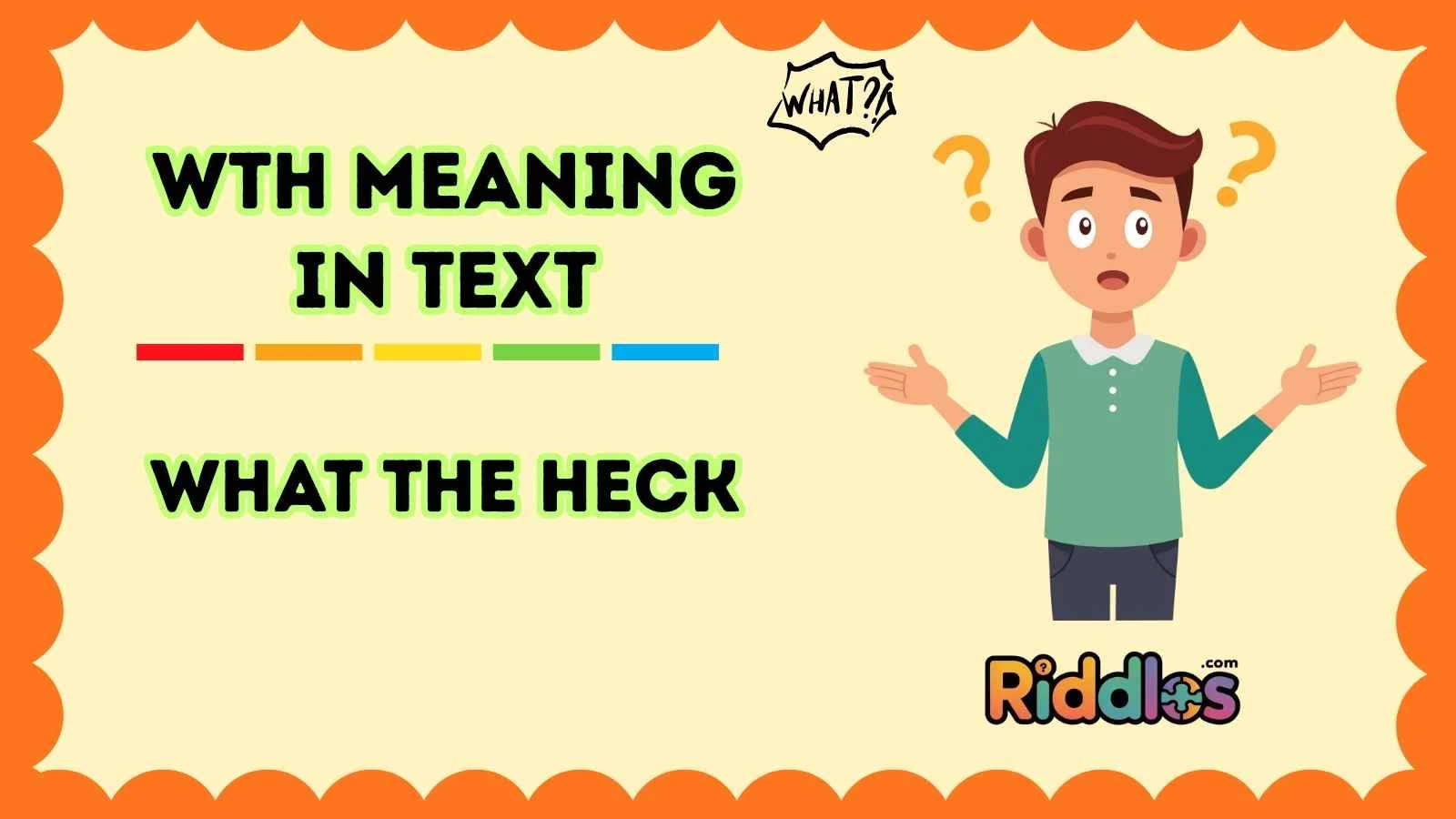
What WTH Means in Text (Definition & Core Meaning)
The term WTH stands for “What The Heck.” It expresses:
- Surprise
- Confusion
- Frustration
- Humor
- Shock
- Disbelief
People use WTH because it feels softer than its stronger cousin WTF. You can drop it in casual chats without sounding offensive. Readers often see it as a “safe” expression for intense reactions.
Quick Breakdown
| Element | Meaning |
|---|---|
| Type of slang | Expression of emotion |
| Formality level | Casual |
| Tone range | Light shock to serious annoyance |
| Common places used | Instagram, TikTok, Snapchat, Discord, WhatsApp |
| Intensity | Mild |
WTH meaning in text stays simple. Yet the feeling behind it shifts based on tone, punctuation, and context.
Origin and Evolution of WTH
Internet slang always evolves. WTH emerged long before TikTok and modern meme culture. Early chatrooms and forums shaped it. As messaging moved to smartphones, the term shifted in meaning and tone.
A Quick Timeline
- 1990s: Users on forums like AOL and Usenet used WTH as a family-friendly version of WTF.
- 2000s: Text messaging became huge. Shorter expressions gained traction.
- 2010s: Meme culture accelerated the phrase. It appeared in reaction images, GIF captions, and comment sections.
- 2020s: Apps like Snapchat and TikTok made WTH part of everyday casual slang. Teens prefer it because it feels expressive without sounding harsh.
The evolution of WTH shows how slang grows with technology. The more people communicate through short messages, the more they reach for quick emotional expressions.
How WTH Gets Used in Real Conversations
The WTH meaning in text always depends on tone and the moment. The phrase works like an emotional shortcut. People drop it when they want to react fast.
Different Contexts Where WTH Appears
- Shock:
“WTH happened to your car?” - Confusion:
“WTH is this video?” - Playful teasing:
“You ate the whole pizza? WTH!” - Disbelief:
“WTH that can’t be real.” - Annoyance:
“WTH dude that’s not cool.”
Tone Matters
- Add a “?” → it becomes confusion
- Add “!” → it becomes shock
- Add both → it becomes comedic drama
Example:
“WTH?!” feels exaggerated and usually playful.
Short Dialogue Example
A: I lost my phone again.
B: WTH how does this keep happening?
In this example, B expresses disbelief and mild annoyance without sounding aggressive.
Correct Interpretation: What WTH Does Not Mean
People sometimes misread emotional slang. That creates awkward moments. Recognizing what WTH meaning in text is not helps avoid misunderstandings.
Common Misreadings
- It’s not always anger.
- It’s not an insult.
- It’s not a formal term, so it doesn’t belong in business documents.
- It’s not automatically rude, though tone can shift.
Why Confusion Happens
When people read messages without hearing tone or seeing facial expressions, they fill in emotional gaps. WTH sits in a gray area because it expresses strong feelings.
If someone sends a short message like:
“WTH.”
The period makes it feel harsher than the phrase truly intends.
WTH vs Similar Slang Terms
Readers often confuse WTH with other emotional acronyms. This table shows where the differences lie.
Comparison Table
| Slang | Full Form | Intensity | Tone | Best Use Case |
|---|---|---|---|---|
| WTH | What The Heck | Mild | Neutral or playful | Light shock or confusion |
| WTF | What The F*** | Strong | Harsh or intense | Extreme frustration |
| WT | What The | Variable | Depends on context | Short, chaotic reactions |
| OMG | Oh My God | Mild | Excited or surprised | General reactions |
| IDK | I Don’t Know | Minimal | Neutral | Uncertainty |
Simple Rule
If you want to sound expressive without sounding aggressive, WTH works better than WTF.
Alternatives to WTH (Soft, Polite, or Funny Options)
Readers often want alternatives that keep the message clear. Here are choices based on tone.
Polite Substitutes
- What on earth
- What in the world
- Seriously
- Really
Casual Substitutes
- Bro what
- Dude what
- Wait what
- What was that
Funny Options
- What in the chicken nugget
- What in the world of chaos
- What sorcery is this
These maintain expression without changing the emotional meaning too much.
How to Reply When Someone Sends WTH
When someone texts WTH, they want clarity or confirmation. Your reply shapes the tone of the conversation.
How To Respond
If they sound confused:
- “Let me explain.”
- “Here’s what happened.”
If they sound surprised:
- “I know right wild moment.”
- “Exactly my reaction.”
If they sound annoyed:
- “My bad let me fix this.”
- “I didn’t realize it sounded like that.”
If they sound playful:
- “Relax it’s not that deep.”
- “I’ll tell you but you’ll laugh.”
Tip
Focus on the underlying emotion not the slang itself.
Cultural and Regional Nuances
Different cultures interpret slang through their own lens. WTH feels casual in many regions yet slightly rude in others.
Regional Differences
- United States: Considered mild.
- UK: Sometimes seen as slightly rude.
- South Asia: Understood as a softer version of WTF.
- Middle East: Mixed reactions depending on age group.
Generational Differences
- Gen Z: Uses WTH in memes and reactions.
- Millennials: Use it for confusion or disbelief.
- Older groups: Some view it as borderline rude.
Cultural Example
In the US Midwest, WTH feels playful. In conservative households, it might be seen as improper.
Hidden Meanings and Offense Risks
WTH stays mild, yet tone can shift quickly.
When It Becomes Rude
- When used in serious discussions.
- When sent as a one-word message with a harsh period.
- When paired with aggressive language.
Example:
“WTH were you thinking.”
This feels confrontational.
When It Stays Safe
- When used with humor.
- When used in memes.
- When paired with emojis.
Example:
“WTH 😂 this video is wild.”
WTH in Online Communities
Different online spaces use WTH in unique ways. Each community shapes its tone.
Gaming Communities
- Fast reactions to unexpected gameplay
- Used during fails
- Often mixed with exaggeration
Example:
“WTH that boss just teleported.”
Discord Servers
- Used for jokes
- Reaction to memes
- Friendly confusion
Reddit Threads
- Used in story comments
- Express surprise or disbelief
- Works well in humor subreddits
TikTok Comments
- Used under chaotic videos
- Paired with emojis
- Often playful
WTH in Dating Apps
People on dating apps often use slang to create a casual, fun vibe.
Common Scenarios
- Reacting to a surprising detail
- Responding to a bold message
- Calling out awkward behavior
Examples
“You ate four burgers alone? WTH that’s impressive.”
“WTH that’s the weirdest prompt answer I’ve seen.”
Does WTH Signal Interest?
Surprisingly yes sometimes. When someone invests emotional reaction into your message they want to keep the conversation alive.
When It’s a Red Flag
If someone uses WTH in a dismissive way, it might signal frustration.
Is WTH Professional?
Short answer: No.
Long answer: Use caution depending on the workplace culture.
Why It’s Not Professional
- It feels informal
- It signals emotional reaction
- It can appear immature
- It risks misunderstandings
Safe Business Alternatives
- “That seems unclear.”
- “I didn’t expect that outcome.”
- “Can you explain this part?”
Case Example
Scenario: A coworker sends an unexpected update.
Bad response: “WTH you changed the deadline?”
Better response: “I didn’t expect the new deadline can you walk me through it?”
When You Should Avoid Using WTH
Even though WTH stays mild, some situations call for restraint.
Avoid It When
- Discussing serious matters
- Messaging older relatives who dislike slang
- Responding to sensitive news
- Writing academic work
- Communicating with clients
Why Avoid It
Slang can create emotional distance. It may trivialize serious issues.
Quick Reference Table: Meaning, Tone & Proper Use
| Category | Details |
|---|---|
| Full Form | What The Heck |
| Emotion | Surprise, confusion, disbelief |
| Intensity | Mild |
| Offensive Level | Low |
| Best Use | Casual texting |
| Avoid | Business emails or serious topics |
FAQs:
What does WTH mean in text?
WTH means “What The Heck.” People use it for surprise or confusion.
Is WTH rude?
It’s mild. Rudeness depends on punctuation and tone.
Is WTH the same as WTF?
No. WTF sounds harsh. WTH feels far softer.
Can I use WTH with older people?
Use caution. Some find it rude.
Is WTH okay in business communication?
It’s not professional. Use formal alternatives.
Conclusion:
The WTH meaning in text stays simple, clear, and expressive. It signals surprise or confusion without crossing into rude territory.
Tone, punctuation, and context shape the emotion behind it. Readers use WTH across apps because it works fast.
It reacts to dramatic moments with a light touch. Understanding its nuances helps you avoid misunderstandings and craft better digital communication.