Words don’t stay stuck in dictionaries anymore. They move fast, especially online. One word popping up more in chats, comments, and callouts is sanctimonious. You’ll see it on X threads, TikTok captions, Reddit debates, and Discord arguments.
People often use it to shut down opinions, expose fake moral behavior, or roast someone who sounds “holier than thou.” But many users still get the sanctimonious meaning wrong or use it in the wrong tone.
This guide explains the meaning clearly, shows how it’s used today, and helps you avoid common mistakes. Simple language. Real examples. Zero confusion.
Why the Slang Matters
Language online is about vibes and intent, not just definitions. Calling someone sanctimonious is not neutral. It’s a social signal.
Here’s why the term matters today:
- It’s used in callout culture
- It shows up in moral debates
- It can shut down arguments fast
- It often goes viral in screenshots and memes
Using it correctly makes you sound sharp. Using it wrong makes you look lost.
Why People Misunderstand It
Many people confuse sanctimonious with:
- Religious
- Moral
- Kind
- Ethical
That’s the mistake.
The word is negative, not positive.
It’s not about having morals.
It’s about showing off morals in a fake or superior way.
That difference matters.
What Does “Sanctimonious” Mean?
Simple Definition
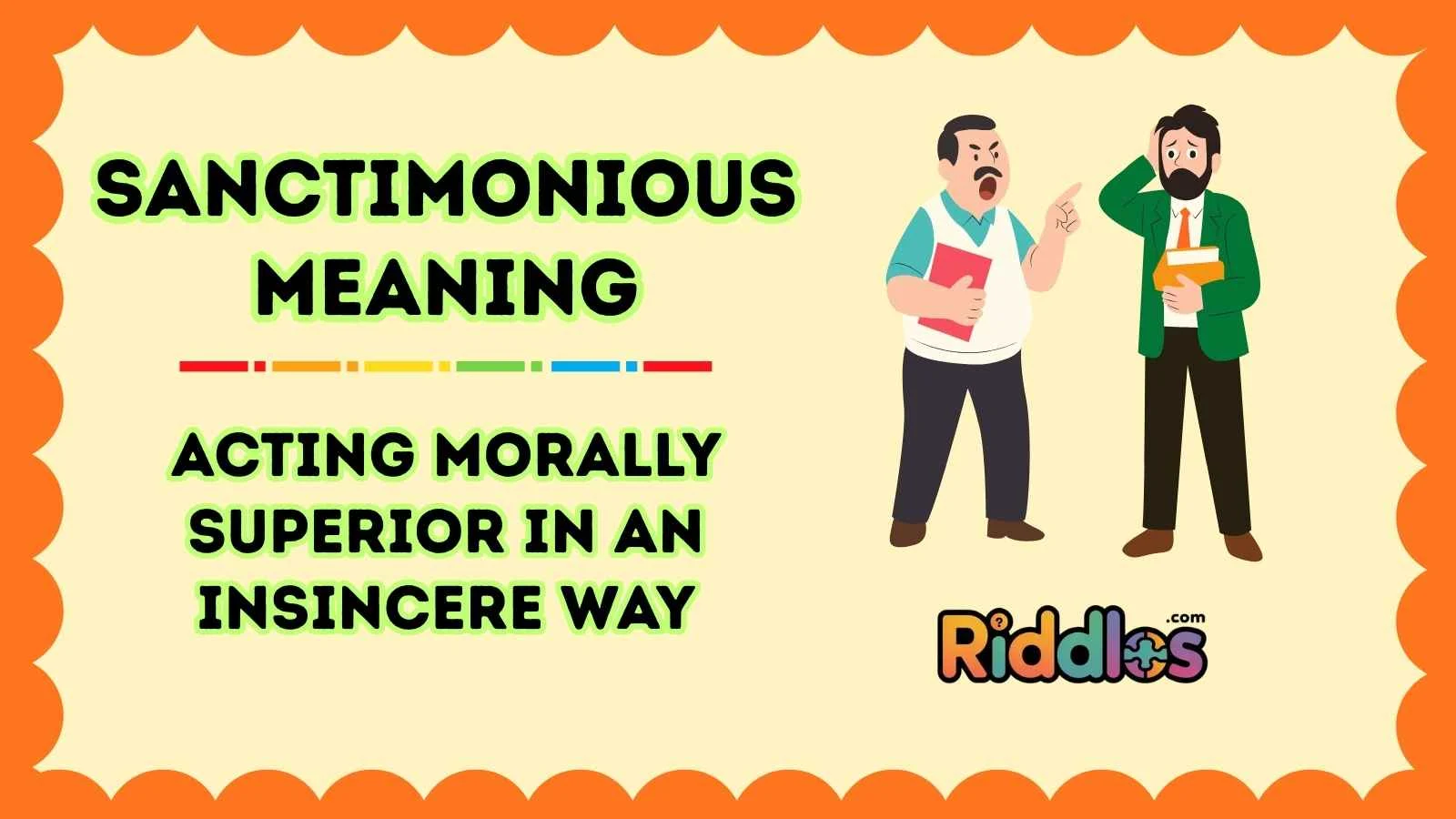
Sanctimonious means acting morally superior in an insincere, smug, or fake way.
In short:
Someone who talks righteous but feels fake, preachy, or judgmental.
Plain English Version
A sanctimonious person:
- Preaches morals
- Judges others
- Acts superior
- Doesn’t feel genuine
Origin and Evolution
The word comes from Latin roots tied to holiness and sacred behavior. Historically, it described people who pretended to be holy without actually being good.
Over time, the meaning shifted from religious settings to social behavior.
In 2026, it’s less about religion and more about:
- Performative activism
- Fake outrage
- Moral grandstanding
- Online virtue signaling
Short TL;DR
Sanctimonious = fake moral superiority.
Not kind. Not wise, Not humble.
How to Use “Sanctimonious”
When to Use It
Use “sanctimonious” when someone:
- Preaches instead of discusses
- Shames others publicly
- Flexes morals for attention
- Sounds fake or performative
When to Avoid It
Avoid using it:
- In formal or professional emails
- When describing sincere kindness
- If you mean “religious” or “ethical”
- If the person is genuinely respectful
Tone and Intent
The tone is usually:
- Critical
- Sarcastic
- Frustrated
- Dismissive
It’s rarely friendly.
Contexts Where It’s Common
Texting
Used in debates or arguments.
Social Media
Popular in callouts, quote tweets, and comment sections.
Discord
Common in server drama and moderation debates.
Gaming
Used to roast players who act superior.
Forums
Seen in Reddit threads and opinion-heavy discussions.
Real Life Examples
Text Chat Examples
- “Stop being sanctimonious. We’re just talking.”
- “That reply felt really sanctimonious for no reason.”
- “You don’t need to lecture everyone.”
Social Media Captions
- “Nothing worse than sanctimonious takes with zero facts.”
- “This comment section is getting sanctimonious real fast.”
- “Performative kindness always sounds sanctimonious.”
Funny or Relatable Scenarios
- Someone posts a long moral rant under a meme
Result: “Why so sanctimonious over a joke?” - A friend corrects everyone publicly
Result: “That came off super sanctimonious.”
Correct vs Incorrect Usage
Correct
- “His sanctimonious tone ruined the conversation.”
Incorrect
- “She’s sanctimonious because she’s kind.”
- “He’s sanctimonious because he goes to church.”
Common Mistakes and Misunderstandings
Mistake 1: Thinking It Means Moral
It doesn’t mean moral.
It means fake moral.
Mistake 2: Confusing It With Religious
Religion isn’t required.
At all.
Mistake 3: Using It Casually
It’s a strong word.
Use it with intent.
Mistake 4: Using It About Yourself
Calling yourself sanctimonious doesn’t land well unless you’re joking hard.
Related Slang and Variations
Similar Terms
- Virtue signaling
- Holier-than-thou
- Preachy
- Moral grandstanding
- Performative
Each has a slightly different vibe, but all overlap.
Platform-Specific Usage
TikTok
Often tied to fake activism or “fake deep” content.
X (Twitter)
Used in quote tweets and debates.
Used in long discussions and opinion threads.
Discord
Used in moderation disputes and community drama.
Optional Internal-Link Ideas
- Virtue signaling meaning
- Holier than thou meaning
- Preachy slang definition
- Internet argument slang guide
Freshness: 2026 Trends
In 2026, sanctimonious is trending because:
- Callout culture is louder
- Performative morality is easy to spot
- Screenshots expose fake behavior
- Audiences value authenticity
People are faster to label fake moral behavior now. One bad tone, and the word appears.
Conclusion
Quick Summary
- Sanctimonious meaning refers to fake moral superiority
- It’s negative and critical
- Common in online debates and callouts
- Not about religion or kindness
- Tone matters more than intent
Use it carefully. Use it correctly. It’s powerful when done right.