Texting has evolved into its own language. Abbreviations, slang, and shorthand terms pepper every message we send.
One term that pops up constantly is “luv”. You might see it in messages from friends, family, or even that special someone on a dating app.
But what does it really mean? And how should you interpret it in different contexts? This guide dives deep into the meaning of luv in text, its history, usage, misconceptions, and more.
Definition & Meaning of “Luv”
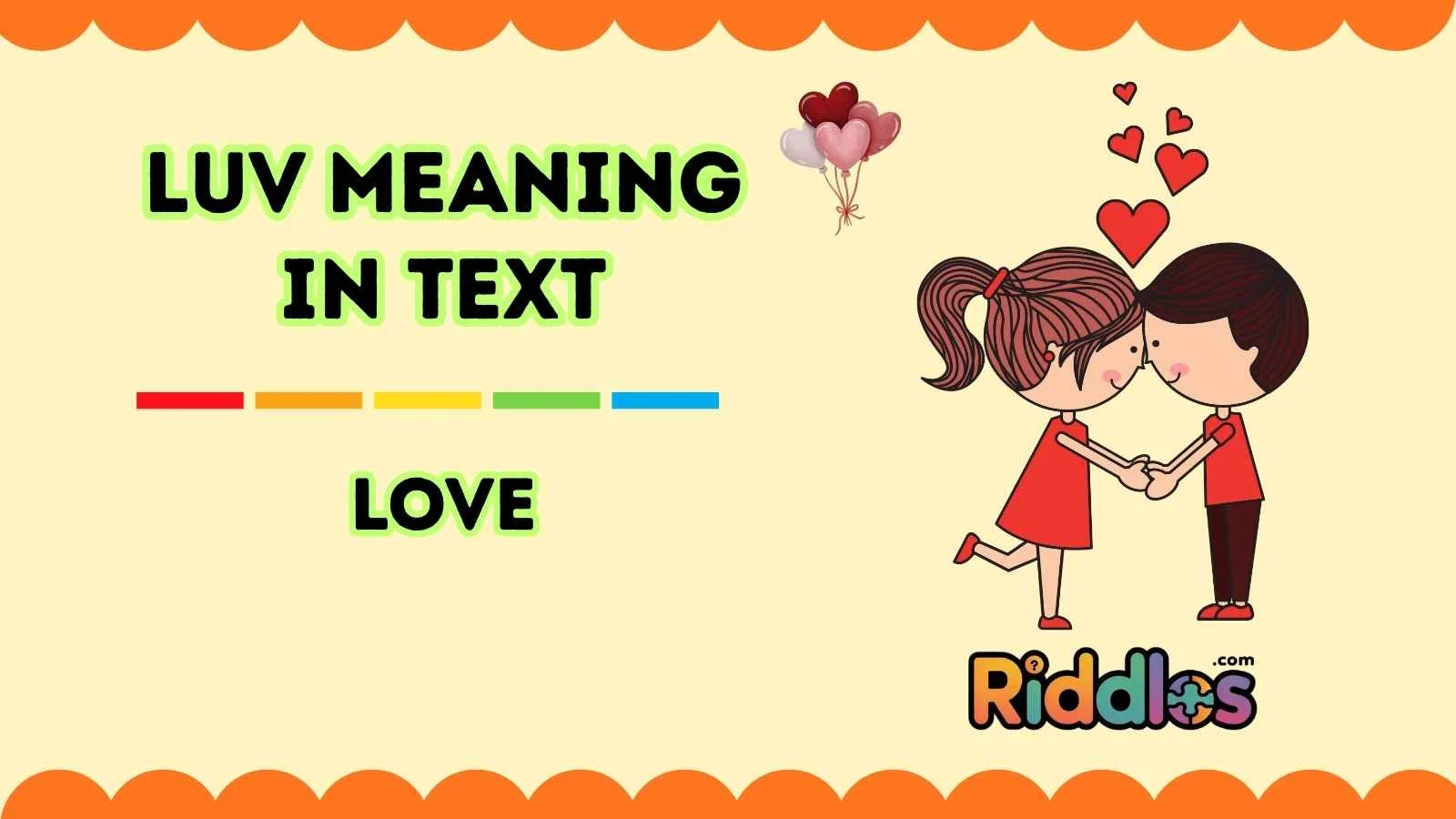
At its core, “luv” is a casual, informal spelling of the word love. People use it to express affection, warmth, or friendliness in a text message without sounding overly formal or intense.
Key points about “luv”:
- Indicates affection or fondness, but often lighter than “love.”
- Commonly used in digital communication: texts, chats, social media.
- Can be playful, romantic, or friendly depending on context.
Example usages:
- “Hey, miss you! Luv ya 😘” → romantic or friendly tone.
- “Thanks for your help, luv!” → casual, friendly tone.
The main takeaway? “luv” signals warmth but rarely carries the full emotional weight of “love.” It’s about casual affection, not deep commitment.
Origin & Historical Context
While “luv” seems modern, its roots go back decades. Here’s a brief history:
- Early 20th century UK: “luv” appeared as a colloquial, friendly term, sometimes in letters or speech.
- Music & pop culture: Songs, TV shows, and movies popularized the shorthand spelling.
- Digital age: SMS and instant messaging cemented its usage globally.
In essence, “luv” transitioned from spoken slang to digital shorthand. Its spelling is simpler, quicker, and more casual than the traditional “love.”
How “Luv” is Used in Various Contexts
The meaning of “luv” shifts based on the situation. Let’s break it down:
Romantic Context:
- Often used between partners for lighthearted affection.
- Example: “Goodnight, luv 😍”
Friendly Context:
- Among friends, it signals closeness without romance.
- Example: “Thanks for covering my shift, luv!”
Family Context:
- Sometimes used between siblings or cousins in casual texts.
- Example: “Luv ya, bro!”
Table: Contextual Tone of “Luv”
| Context | Example Text | Tone |
|---|---|---|
| Romantic | “Miss you, luv 😘” | Flirty/affectionate |
| Friendly | “See you soon, luv!” | Casual/friendly |
| Family | “Luv you, sis” | Warm/familiar |
| Professional | Rarely appropriate | Not suitable |
The takeaway? Tone is everything. The same word can feel romantic, platonic, or even sarcastic depending on context.
Common Misconceptions & Clarifications
People often misread “luv.” Some think it’s:
- Insincere: Not always. Many genuinely use “luv” casually.
- Childish: It’s informal, but widely used across age groups.
- Romantic by default: Context determines romance, not the word itself.
Tip: Look at emojis, message length, and context. A single “luv” at the end of a business email is odd, but in a friend chat, it’s normal.
Similar Terms & Alternatives
“Luv” isn’t the only way to express affection digitally. Alternatives include:
- Love: More formal, intense, and serious.
- Babe / Hun / Dear: Typically romantic or intimate.
- Xoxo / Hugs & Kisses: Friendly, affectionate shorthand.
- Fam / Mate: Casual, friendly, often platonic.
Table: Comparison of Common Terms
| Term | Tone | Typical Use Case |
|---|---|---|
| Love | Deep, sincere | Partners, close family |
| Luv | Casual, light | Friends, casual texts |
| Hun / Babe | Romantic | Dating, partners |
| Dear | Polite/warm | Letters, polite chats |
| Xoxo | Friendly | Friends, casual chats |
Choosing the right term depends on relationship, context, and platform.
How to Respond When Someone Says “Luv”
Responses to “luv” vary by tone and relationship. Here are some strategies:
- Friendly response:
- “Thanks, luv! 😄”
- “Luv ya too!”
- Romantic response:
- “Miss you, luv ❤️”
- “Luv you more 😉”
- Professional or neutral:
- Avoid mirroring “luv” in work emails. Stick to “thanks” or “appreciate it.”
Quick tip: Consider emoji use, tone, and frequency. Overusing “luv” can feel casual or insincere in some contexts.
Regional or Cultural Differences
Interestingly, “luv” carries different connotations across cultures:
- UK: Commonly used as “mate” or friendly filler in conversations.
- US: Mostly casual, sometimes romantic depending on the sender.
- Australia: Similar to UK; often friendly.
- India: Popular among younger generations in texting, influenced by Western media.
Fun fact: In British English, “luv” can sometimes sound patronizing when used by strangers (“Alright, luv?”). Tone matters.
Usage in Online Communities & Dating Apps
Digital platforms amplify “luv.” Here’s how it’s commonly used:
- Tinder / Bumble: Signals interest or flirtation, often with emojis.
- Instagram / Twitter DMs: Casual affection or friendly banter.
- Discord / Gaming chats: Often playful, platonic.
Observation: On dating apps, context is key. A single “luv” could be flirty, teasing, or a sign of comfort with someone.
Hidden, Subtle, or Offensive Meanings
Although rare, “luv” can carry unintended connotations:
- Sarcasm or passive-aggressiveness: “Nice job, luv” might be patronizing.
- Over-familiarity: Using it too soon with someone can feel forced.
- Cultural misinterpretation: In some regions, “luv” from a stranger may seem flirtatious or inappropriate.
Rule of thumb: Always read context and relationship cues before assuming affection.
Suitability for Professional Communication
In professional or formal settings, “luv” is generally inappropriate.
Why:
- Informal spelling may seem lazy or unprofessional.
- Could be misinterpreted as flirtatious.
- Can undermine authority or tone in business communication.
Professional alternatives:
- “Thanks”
- “Much appreciated”
- “Kind regards”
Use casual affection only among colleagues you know well and share rapport with.
FAQs About “Luv Meaning in Text”
What does “luv u” mean?
It’s a casual way of saying “I love you” or expressing affection, usually lighter than the full term.
Is “luv” considered childish?
Not necessarily. It’s informal, but widely used across ages in texting and social media.
Can “luv” be romantic?
Yes, context matters. Between partners, it can signal flirtation or affection.
How to differentiate between playful and serious usage?
Look for emojis, tone, and message frequency. Context is key.
Are there emoji equivalents for “luv”?
Yes, common ones include ❤️, 😘, 💕, or 😍 depending on tone and relationship.
Conclusion
“Luv” is a versatile, casual term that conveys warmth, affection, or friendliness. Its meaning depends entirely on context, relationship, and cultural background.
While it’s widely accepted in texts, social media, and casual messaging, it’s not suitable for professional or formal communication.
By understanding its nuances, you can use “luv” effectively and interpret it correctly when others send it your way.
Remember: Words carry emotion, but context carries meaning. So next time you see a “luv,” you’ll know exactly how to read it.