You’ve probably seen or heard the word gypsy in texts, captions, memes, song lyrics, or casual chats. Some people use it to describe a free spirit. Others avoid it completely. That confusion is exactly why people keep searching for gypsy meaning.
In 2026, internet slang spreads faster than context. Words travel across cultures, platforms, and generations. But not all words age the same way. Gypsy is one of those terms that carries history, emotion, and debate.
This guide explains the meaning of gypsy in clear, simple language. You’ll learn where it came from, how people use it today, why it’s misunderstood, and when you should avoid it. The goal is clarity, not judgment.
Why the Slang Matters
Words shape how people feel seen or erased.
The word gypsy is not just slang. It’s tied to real people, real history, and real harm.
Today, many still use it casually online. Others consider it offensive. Understanding this gap helps you communicate better and avoid accidental disrespect.
Knowing the gypsy meaning also helps with:
- Reading social media correctly
- Understanding lyrics, captions, and memes
- Avoiding language that can hurt others
Why People Misunderstand It
People misunderstand gypsy for three main reasons:
- Pop culture softened it
Movies, fashion, and music often used “gypsy” to mean wild, romantic, or bohemian. - It’s used differently across regions
In some places, it was normalized. In others, it’s clearly offensive. - Many don’t know its history
Without context, it sounds like a harmless personality label.
This disconnect is why confusion around gypsy meaning keeps growing online.
What Does “Gypsy” Mean?
Simple Definition
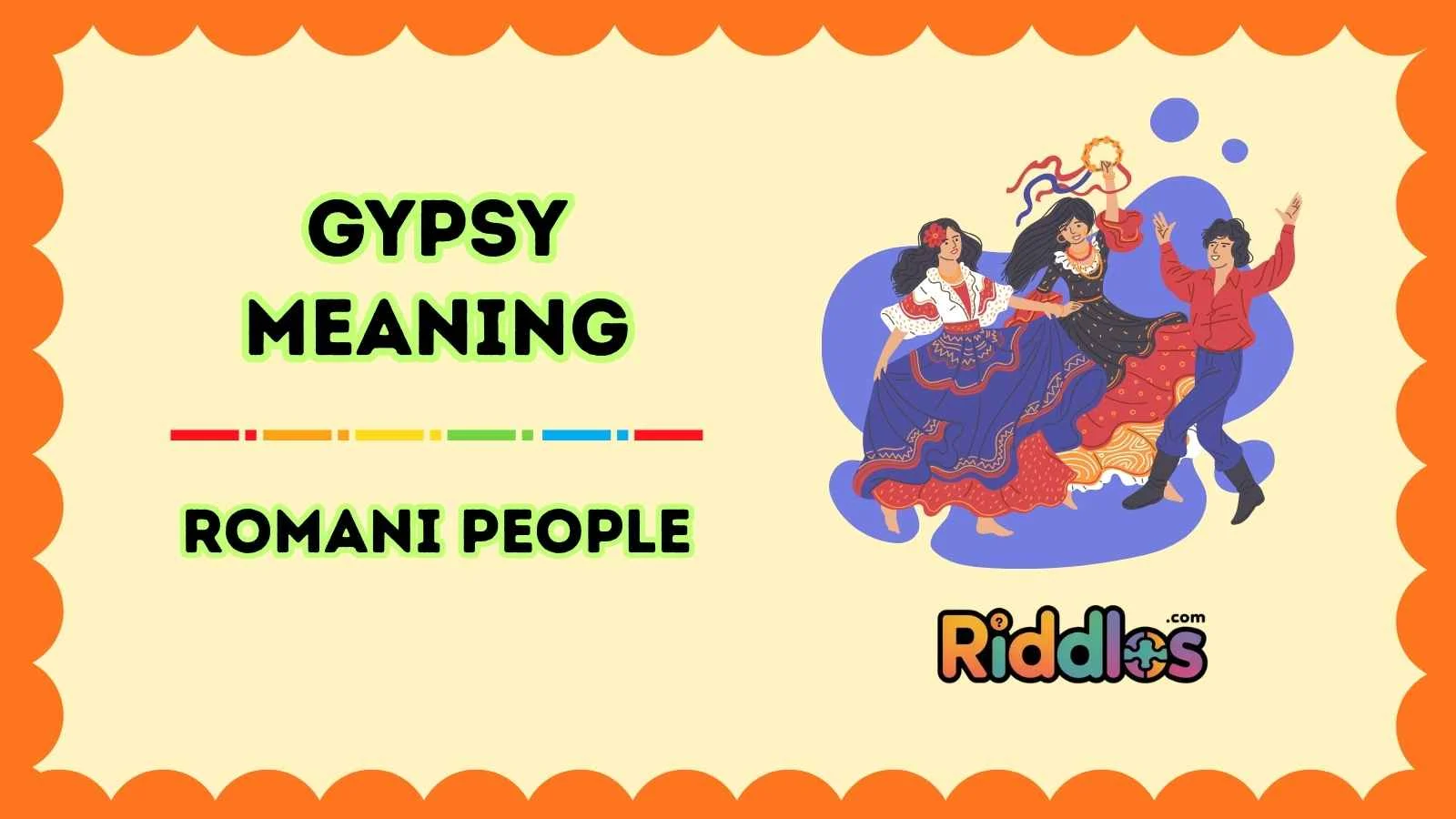
Gypsy is a term historically used to describe the Romani people, an ethnic group that originated in South Asia and migrated to Europe centuries ago.
Today, the word has two common meanings:
- A historical/ethnic term (often considered offensive)
- A slang term meaning free-spirited or nomadic (still controversial)
Origin and Evolution
The word comes from a mistaken belief that Romani people came from Egypt. Europeans shortened “Egyptian” into “Gypsy.”
Over time, the term became linked with:
- Stereotypes
- Discrimination
- Exclusion and persecution
In the 20th and 21st centuries, pop culture rebranded it as:
- “Boho”
- “Wanderer”
- “Free soul”
But for many Romani people, the word never lost its harmful weight.
Short TL;DR
Gypsy originally refers to the Romani people.
Today, it’s often used to mean free-spirited.
Many consider it offensive. Context matters.
How to Use “Gypsy”
When to Use or Avoid It
Avoid using “gypsy” when:
- Referring to people or cultures
- Describing lifestyles tied to real communities
- Writing professionally or publicly
Some people still use it when:
- Referring to fashion or aesthetics
- Quoting song lyrics or titles
- Describing fictional characters
Even then, safer alternatives exist.
Tone and Intent
Intent doesn’t erase impact.
Even if you mean:
- Adventurous
- Artistic
- Wild-hearted
The word can still land wrong. Online spaces now prioritize intent plus impact.
Contexts Where It Appears
Texting
- “She’s such a gypsy soul”
- Captions about travel or freedom
Discord & Gaming
- Rare, but appears in usernames or jokes
Forums
- Often discussed critically or historically
Real Life Examples
Text Chat Examples
- “I love your gypsy vibe”
- “He lives like a gypsy, always moving”
These examples are common but increasingly discouraged.
Social Media Captions
- “Forever a gypsy at heart”
- “Gypsy life chose me”
These captions still exist, but many creators now replace the term.
Funny or Relatable Scenarios
Someone posts a travel reel with “gypsy energy.”
Comments appear explaining why the term can offend.
The caption gets edited within hours.
This happens daily on TikTok and Instagram.
Correct vs Incorrect Usage
Incorrect
- Calling a real group of people “roma”
Better
- “Romani people”
- “Free-spirited traveler”
Common Mistakes and Misunderstandings
- Thinking it only means “traveler”
- Believing pop culture erased its history
- Assuming everyone is okay with it
- Using it as a personality label
These mistakes often come from lack of exposure, not malice.
Related Slang and Variations
Similar Terms People Use Instead
- Free spirit
- Nomad
- Bohemian
- Wanderer
- Drifter
These carry similar vibes without the cultural weight.
Platform Specific Usage
TikTok
- Declining use, often corrected in comments
X (Twitter)
- Mostly used in debates or historical context
- Still appears in older captions
- Discussed as a controversial term
Optional Internal Link Ideas
- Bohemian meaning in slang
- Nomad meaning online
- Free spirit slang explained
- Cultural appropriation in internet language
These help readers explore related terms safely.
Freshness: 2026 Trends
Language awareness is rising fast.
In 2026:
- Creators self-edit more
- Comment sections call out harmful slang
- Brands avoid risky language
- Gen Z prefers inclusive alternatives
The trend is clear. Words with history are being reexamined.
Conclusion:
Quick Summary
The gypsy meaning is layered.
It started as a label for the Romani people.
It evolved into slang for freedom.
Many now see it as offensive.
Understanding context helps you communicate smarter and kinder online.